The Procurement Strategy
Determining the procurement method is a critical step in the project delivery process. It is important to consider which method will best balance the control of project cost and risk against achieving project objectives and outcomes. The key issue is which form of project delivery provides the best value for money in meeting the government's service objectives.
In choosing the most appropriate method of delivery, some of the key issues to be considered include:
• determining core versus non-core services. As discussed above, Core Services are those which government has chosen to retain responsibility for delivering. Outside these, a range of asset-related and other ancillary services will be associated with the project and may be considered for inclusion in the scope of the private sector;
• value for money. Whether private sector involvement is likely to deliver value for money. The value for money drivers are used as the basis for this assessment.
• analysis of market capability and appetite. Government requires reliable data on which to base a decision on whether to offer a project to the market as a PPP project, or to deliver it by traditional means. This decision, which is based on practical grounds, requires an examination of:
 whether private parties can deliver the project; and
whether they have the appetite or motivation to do so.
• public interest. Consideration of public interest matters associated with the proposed procurement approach.
The Procurement Strategy will summarise these issues. It will include a procurement options analysis and will provide a recommendation to government as to the most appropriate procurement method.
Infrastructure projects are delivered through a variety of delivery models including:
• PPPs;
• alliance contracting;
• managing contractor model;
• construct only (lump sum or fixed price contract);
• design and construct;
• design, construct and maintain; and
• construction management.
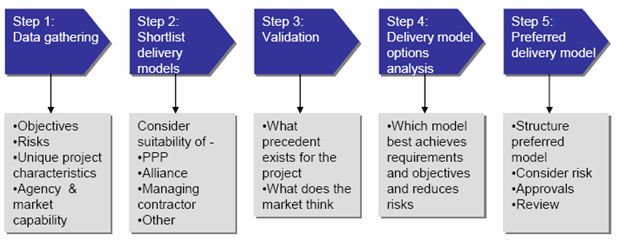
Figure 2 outlines some of the key steps to be undertaken in selecting the most appropriate delivery model.
Figure 2: Stages of selecting a delivery model