3.3 Design and Construct
For a design and construct contract, the government prepares a design brief which outlines the functional and key user requirements (in performance terms) for the works but is less fully developed than the design documentation required for a construct-only contract. The government then seeks tenders for completion of the detailed design, consistent with the design brief and construction of the works described in the design brief.
The following figure illustrates the contractual relationships in a design and construct contract i.e. the principal enters into a single contract with the construction contractor who is required to provide design expertise.
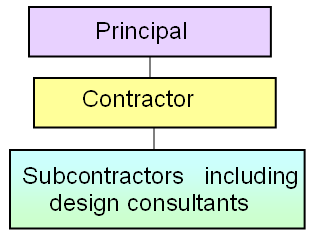
Figure 5: Design and Construct Structure
The following table lists features of the design and construct model -
Advantages | Disadvantages (and issues that may need managing) |
• Single point of accountability for design and construction • Administrative efficiency • Fast track - time saving because construction can commence ahead of full design documentation (provided there is adequate control over design quality) • Contractor has the opportunity to contribute construction experience into the design, resulting in innovation and efficiencies • Contractor normally warrants design including 'fitness for purpose' • Lump sum for design and construction | • Limited input by contractor into early design • Longer tender period needed to allow tenderers to assess design risk • Principal may pay a premium to transfer design risks • Lack of focus on lifecycle costs and considerations • Government retains whole-of-life asset risk • Government may be liable for time and cost overruns |